

2026 in Space
- 1st Jan 2026
- Author: Alex Thompson
Could we maybe… potentially… surely... be seeing humanity’s first venture to the Moon since 1972? Touch all the wood you can everyone, this is set to be a massive year for space…
Artemis II
At the time of writing, we could be returning to the Moon as early as 05 February with Artemis II.
The programme, named after the twin of Apollo in Greek mythology, will take its next giant leap towards its goal of a permanent human presence on the lunar surface. A four-person crew consisting of Reid Wiseman, Victor Glover, Christina Koch and Jeremy Hansen will fly around the Moon, get within 4,600 miles of the surface, then use the satellite’s gravity for a free-return trajectory to Earth. The event will also see the first crewed mission in the Orion spacecraft, and the second flight of the Space Launch System (SLS), the world’s most powerful rocket.
As well as showing off the technological advancements, Artemis II will also show the societal advancements over the past half a century. Koch will become the first woman to visit the Moon, Glover the first person of colour, and Hansen the first non-American. If all goes well, this mission should pave the way for NASA to land the next man and first woman on the lunar surface with Artemis III at some point in 2027.
There’s a good possibility that the launch of Artemis II may be pushed back to April, but at some point in 2026 I feel confident this milestone mission will take place.

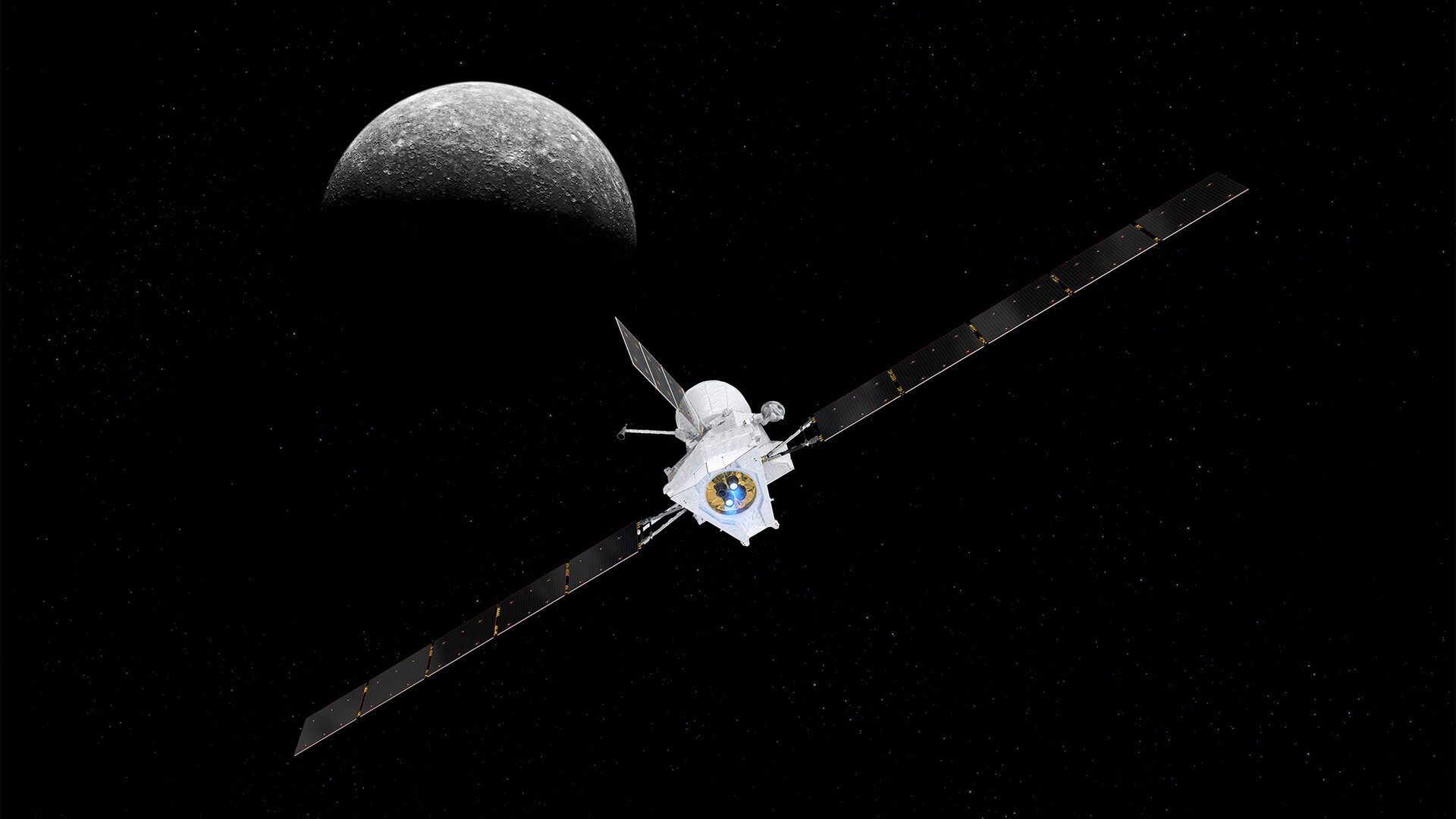
Bepicolombo
Don’t worry about 2026 peaking too early with Artemis – in November, we should see the arrival at Mercury of a mission we’re very excited about at the National Space Centre!
ESA’s Bepicolombo set out on its trip to the Solar System’s inner planet way back in 2018. Thanks to numerous gravity assists of the rocky planets to slow the spacecraft down (a concept first devised by a 20th century Italian mathematician named, you guessed it, Bepi Colombo), the mission is nearly ready for its orbital insertion at Mercury. It will perform a comprehensive study of the planet’s magnetosphere, magnetic field and both interior and surface structure.
One of the main instruments on Bepicolombo will be the Mercury Imaging X-ray Spectrometer (MIXS), built and developed at the University of Leicester. The instrument is a “lobster eye telescope”; taking inspiration from the creature’s compound eye, this involves focusing powerful X-rays from a vast area onto a detector, allowing wide-field surveys not usually possibly with X-rays. This will allow scientists to study the planet in more detail than ever before. We have a replica of the MIXS telescope here at the National Space Centre that will be on display when the Our Solar System gallery reopens this year!
Chang'e 7
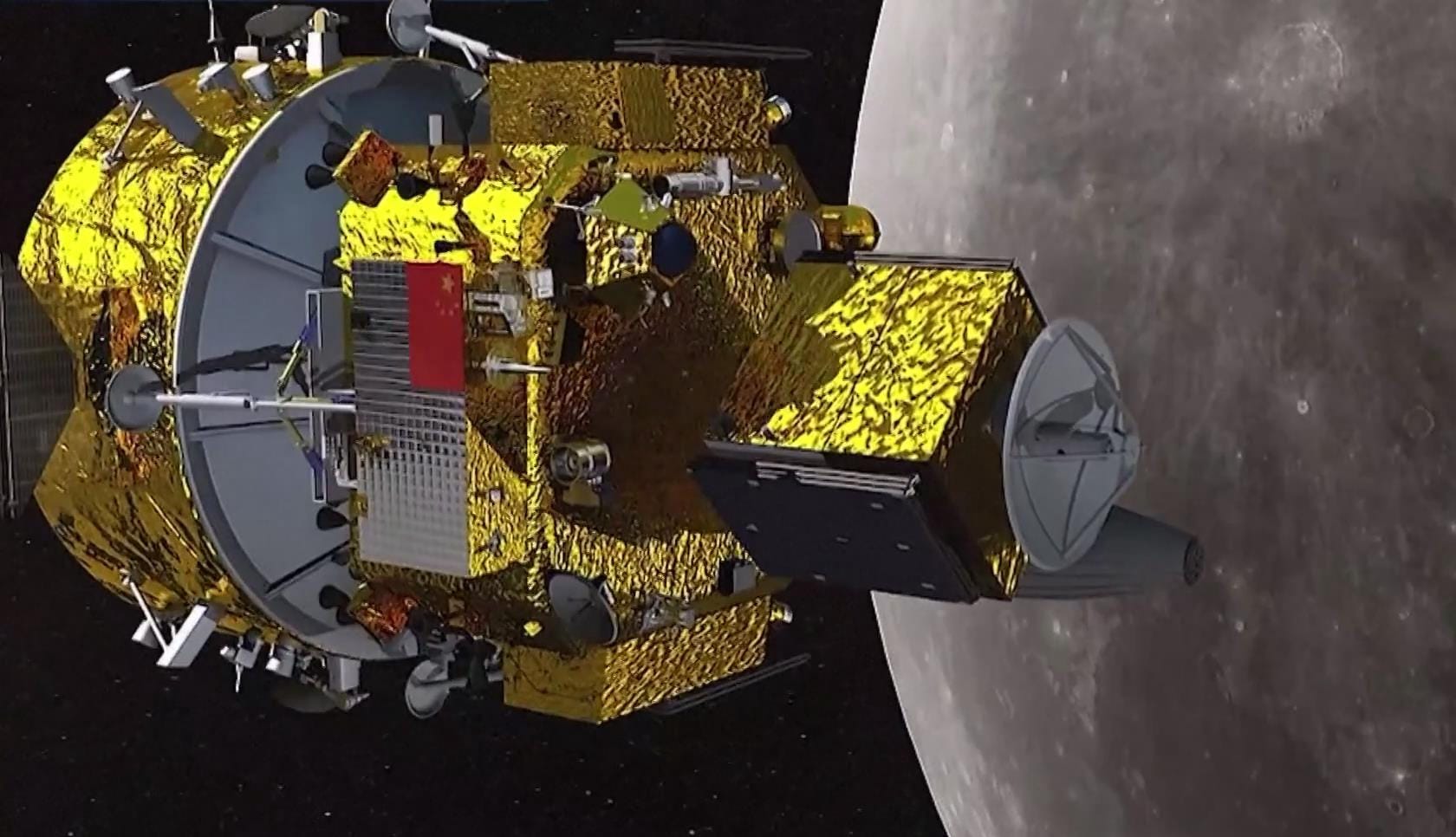
It’s not just NASA aiming for the Moon this year – the China National Space Administration (CNSA) will be the starting the fourth stage of its lunar exploration program with the launch of Chang’e 7.
The biggest step forward in the programme since the first Chang’e mission in 2007, this phase will see the development of a robotic research station near the Moon’s south pole. The mission will land on the rim of the Shackleton crater and consist of a lander, a rover, an orbiter and a ‘mini hopping’ probe. There will also be a lunar scout that will help look for water by exploring regions the rover can’t.
If this final robotic stage of the programme is successful it will lead to a crewed mission to the region in the 2030s, with the possibility of an outpost being built. Chang’e 7 is currently set to launch in August.
Asteroids
We’ll see not one, but two missions arrive at asteroids this year.
If you read my 2025 retrospective last week, you’ll already know about Tianwen-2 being launched this past May by CNSA. This year will see the spacecraft arrive at its first destination, asteroid 469219 Kamo’oalewa.
Tianwen-2 is due to arrive at the space rock on 07 June, with a rendezvous and sample collection taking place four weeks later. After exploring the asteroid for several more months, the spacecraft will set off back to Earth in April 2027, arriving that November to drop off its sample. It’s hoped that Tianwen-2 will then head off to study a comet with another catchy name, 311P/PanSTARRS.
Following that, the European Space Agency’s Hera mission will arrive at its destination following an even longer transit. Having launched in 2024, Hera will complete its over two-year trip to the Didymos binary asteroid system this November. This is the same system impacted by NASA’s DART mission in 2022 when the spacecraft crashed itself into Didymos’ minor-planet moon Dimorphos, shifting its orbit around Didymos as an example of how spacecraft may deflect potential rocks on a collision course with Earth in the future.
Hera will not only study the impact of this collision, but also characterise the properties of the system, including for the first time its sub-surface and internal structures. The mission is also hoping to show how it can deploy and communicate with two CubeSat satellites, named Milani and Juventas.
Other (Potential) Missions
There are various other missions, from both national space agencies and private companies, that hope to take off in 2026, some with a higher chance than others.
SpaceX owner Elon Musk has claimed that they could use the window this year when Earth and Mars are at their closest point to launch its first uncrewed Starship spacecraft to Mars. This is part of the SpaceX Mars colonization program, aiming to send humans to live on Mars and develop a self-sustaining colony by the year 2050. With that said, Musk has said himself that “a lot needs to go right” for the missions to take place this year, with a more likely goal being the next launch window in 2029.
As well as the excitement with Chang'e 7 and Tianwen-2, CNSA also hope to launch their Xuntian space telescope later this year. Also known as the Chinese Space Station Telescope (due to it co-orbiting with the Tiangong station), Xuntian has a two-metre primary mirror and a field of view 300-350 times greater than the Hubble Space Telescope. CNSA hope to get it off the ground (literally) by the end of this year, though there’s a decent chance it gets pushed back to 2027.
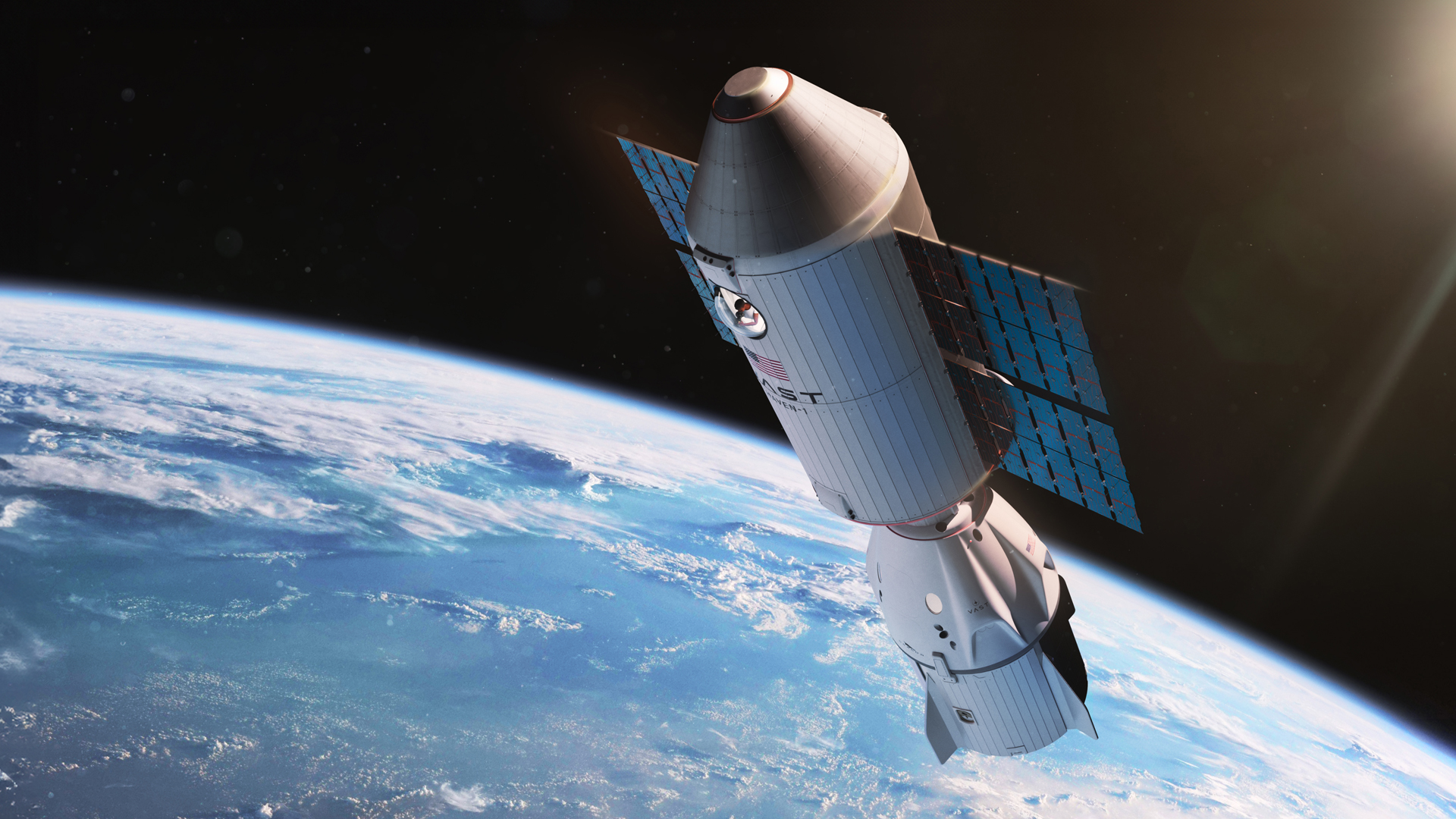
Joining Tiangong and the ISS in low-Earth orbit could be a new space station - Haven-1. Developed by the private company Vast, this will become the first ever commercial space station when launched. Vast are hoping to get it into orbit in May, and though I feel that’s likely to slip I still give Haven-1 the best chance of a 2026 launch out of all the missions in this section (for full transparency, I also predicted Haven and Xuntian would launch last year too….)
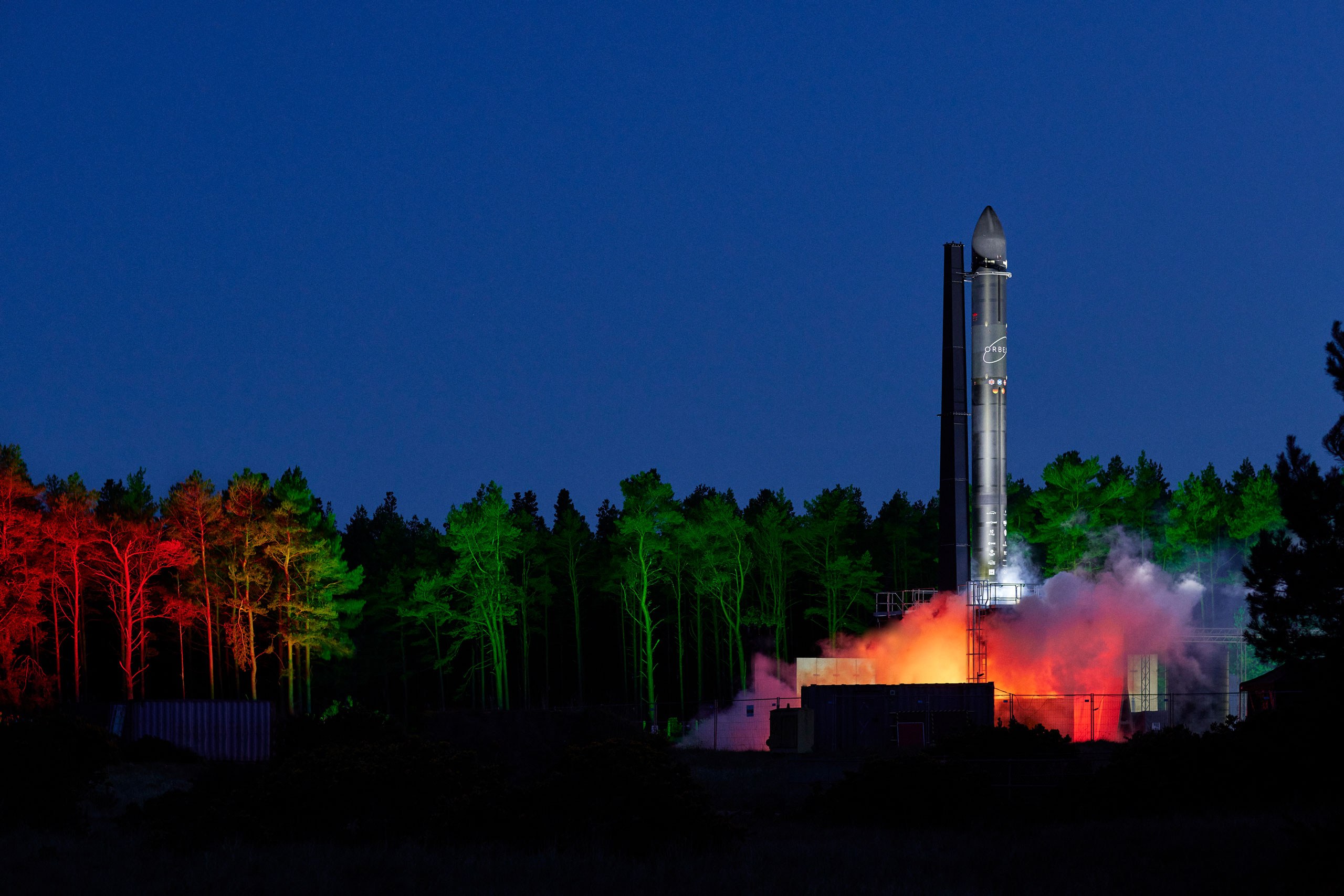
And might we finally see the first launches from UK soil this year? Though things seem to have gone quiet on this front, there is still a chance that Skyrora and Orbex could send rockets into space from SaxaVord and Sutherland spaceports respectively. And if that happens, 2026 may end up being the best year for space since someone took one small step in 1969!
Full references/image Credits:
(Banner) SLS rocket. Credit: NASA
(1) Artemis II crew. Credit: NASA
(2) Bepicolombo spacecraft. Credit: ESA
(3) Chang'e 7. Credit: CNSA
(4) Tianwen-2. Credit: CNSA
(5a) Haven-1. Credit: Vast
(5b) Prime rocket. Credit: Orbex
